
Currently Empty: ₹0.00
NOTES
Guns, Germs, and Steel by Jared Diamond: 10 Eye-Opening Lessons on the Rise of Human Societies
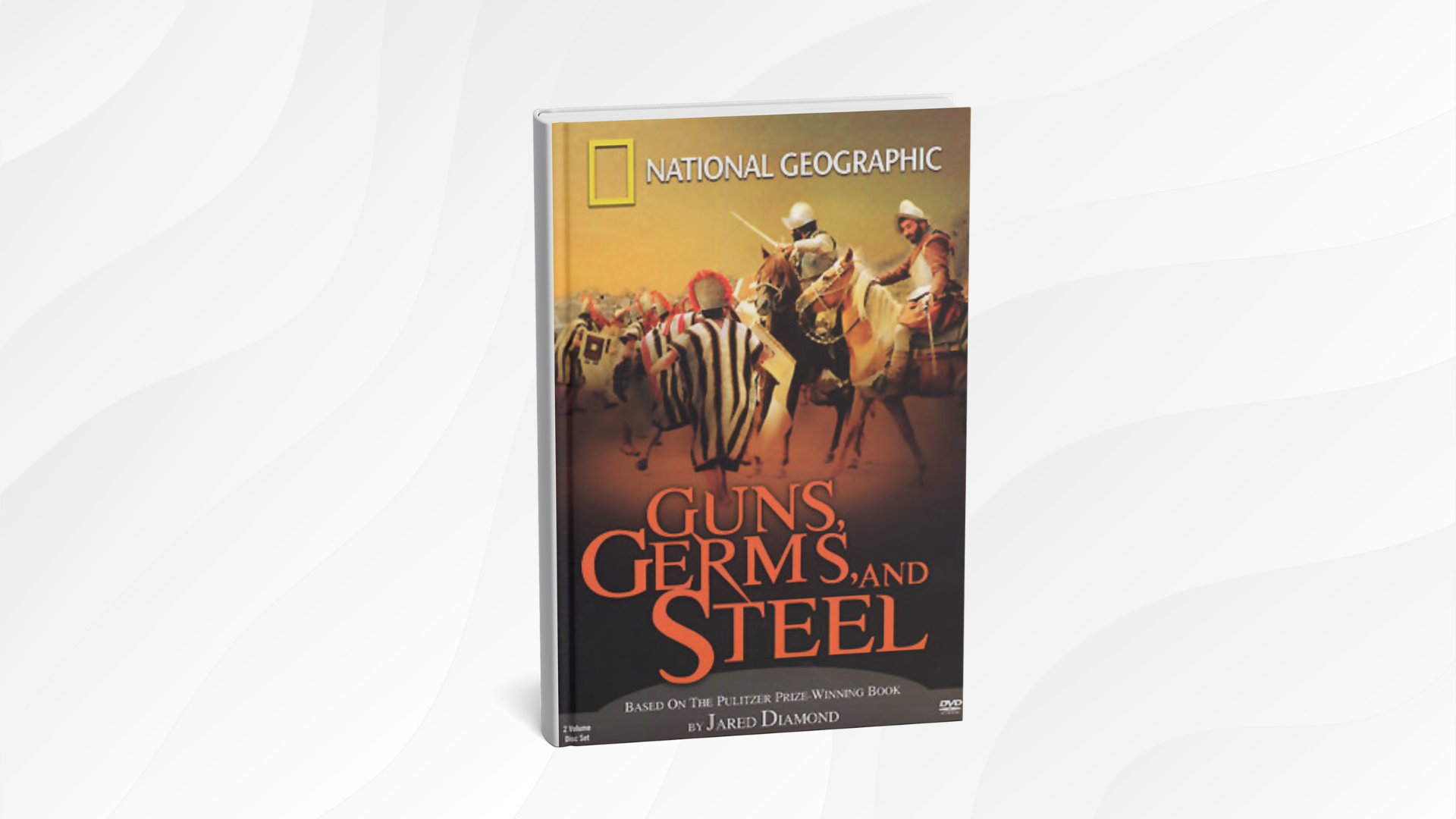
Hey friends! Today, I want to share some eye-opening lessons from a book that made me see history—and the world—through a whole new lens: Guns, Germs, and Steel by Jared Diamond. I picked up this book because I was curious about why some societies grew rich and powerful while others didn’t. What I found was a fascinating story about geography, chance, and how our environment shapes our lives. Let’s chat about the 10 biggest lessons I learned, like we’re sitting together, exploring the world’s mysteries.
10 Key Takeaways / Life Lessons
1. Geography Matters More Than We Think
Where people lived made a huge difference in how their societies grew. Some places had better land, more animals, and good weather for farming. It’s not about being smarter—it’s about what you have around you.
2. Farming Changed Everything
When people learned to grow food and raise animals, they could settle down, build villages, and have extra food. This led to bigger families, new jobs, and the start of cities.
3. Animals Are Powerful Helpers
Having animals like cows, horses, and sheep gave some societies a big boost. Animals helped with farming, carried heavy loads, and even gave milk and wool. Places without these animals had a harder time growing.
4. Germs Shaped History
Living close to animals meant people caught new diseases. Over time, they got used to these germs. But when they met people from other places who hadn’t faced those germs, it caused big problems—sometimes wiping out whole communities.
5. Technology Spreads Unevenly
New ideas and inventions—like writing, tools, or weapons—spread faster in some places than others. Wide, connected lands made it easier to share and learn, while isolated places missed out.
6. Luck Plays a Big Role
A lot of history comes down to luck—like being born in a place with good soil or useful animals. It’s not about one group being better than another, but about the cards they were dealt.
7. Writing and Communication Matter
Societies that developed writing could share knowledge, keep records, and plan better. This helped them organize, solve problems, and grow stronger over time.
8. Power Isn’t About People Being “Better”
Jared Diamond shows that no group is naturally smarter or more talented. Differences in power and wealth come from geography, resources, and history—not from who people are inside.
9. Small Changes Add Up Over Time
Big differences between societies didn’t happen overnight. Little changes—like a new crop or tool—added up over hundreds or thousands of years, shaping the world we see today.
10. Understanding Our Past Helps Us Today
Learning about how geography, germs, and technology shaped history helps us see the world with more empathy. It reminds me to be curious, not judgmental, about why things are the way they are.
Conclusion
Reading Guns, Germs, and Steel helped me see that history isn’t just about kings and battles—it’s about the land, the animals, and the tiny germs that changed everything. I’m more grateful for the world I live in and more understanding of people’s different journeys. Now, I try to look at history—and life—with open eyes and an open heart.
Join the Journey
What’s one historical fact or idea that surprised you? Let’s share and grow together. If you want to keep exploring history, science, and personal growth with a supportive community, come join us at Mission Mastery. Together, we’ll learn, support, and thrive—one thoughtful step at a time.