
Currently Empty: ₹0.00
NOTES
The Psychology of Money by Morgan Housel: 10 Timeless Lessons on Wealth, Greed, and Happiness
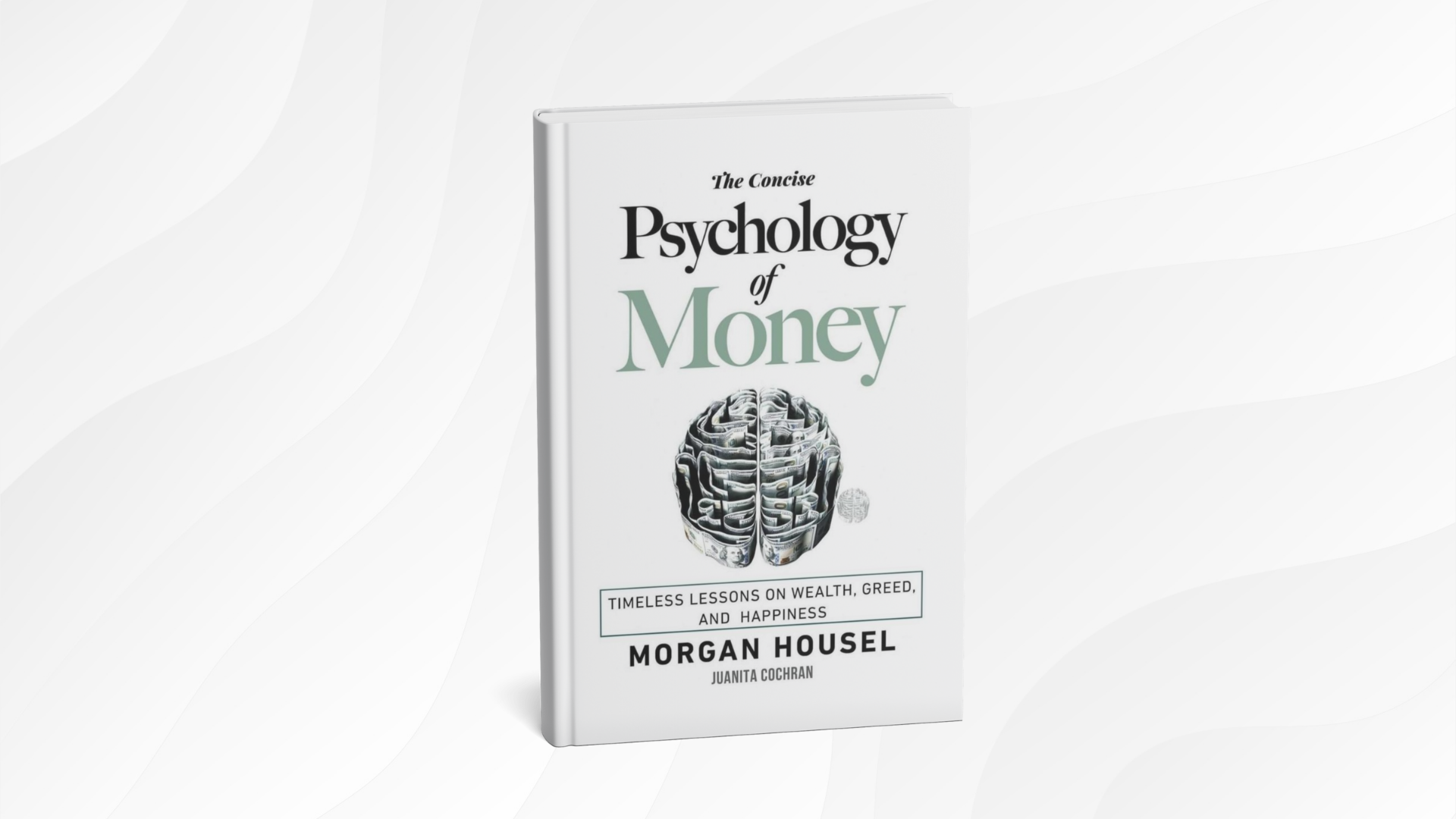
Hey friends! Today, I want to share some heart-to-heart thoughts about a book that really made me see money—and life—a little differently: The Psychology of Money by Morgan Housel. I picked up this book because I was tired of feeling confused and anxious about money. What I found inside wasn’t just about dollars and cents, but about how our feelings, habits, and stories shape the way we handle money. So, let’s dive in together—like we’re having a cozy chat over tea—and I’ll tell you the 10 biggest lessons I learned.
10 Key Takeaways / Life Lessons
1. Money is More About Behavior Than Math
You don’t need to be a genius to do well with money. It’s not about knowing all the numbers, but about how you act. Just like brushing your teeth every day keeps them healthy, small, steady habits with money—like saving a little bit regularly—matter more than fancy tricks.
2. Everyone Has a Different Money Story
We all grew up with different experiences around money. Maybe your family worried about bills, or maybe they spent freely. That shapes how you feel about money now. It’s okay if your choices look different from someone else’s—your story is unique.
3. Getting Wealthy vs. Staying Wealthy
It’s one thing to make money, but another to keep it. Housel says getting rich can be about taking risks, but staying rich is about being careful. Like climbing a tree—you need courage to go up, but wisdom to come down safely.
4. The Power of Compounding
Money grows like a snowball rolling down a hill. The longer you let it roll, the bigger it gets. Even small amounts saved early can turn into something huge over time. Patience is your superpower here.
5. Enough is a Superpower
Chasing “more” can make us unhappy. Learning to say, “I have enough,” brings peace. It’s like eating your favorite food—if you keep stuffing yourself, it stops being enjoyable. Knowing when to stop is freedom.
6. Luck and Risk Are Twins
Sometimes, people succeed because of luck, and sometimes they fail because of bad luck. We can’t control everything. So, let’s be kind to ourselves and others—no one’s story is as simple as it looks.
7. Save for Surprises
Life throws curveballs—car repairs, job changes, or even happy surprises like a new baby. Having a little “just in case” fund is like carrying an umbrella. You might not need it every day, but you’ll be glad it’s there when it rains.
8. Freedom is the Best Thing Money Buys
Money isn’t just for stuff. It can buy you time, choices, and the freedom to say “no” to things you don’t want. For me, that means more time with family and less stress about bills.
9. Avoid the Comparison Trap
It’s easy to look at what others have and feel behind. But everyone’s running their own race. Like flowers in a garden, we all bloom at our own pace. Focus on your journey, not someone else’s highlight reel.
10. Small, Consistent Steps Win
You don’t need to make huge changes overnight. Tiny, steady steps—like saving a little, learning a little, or making one good choice at a time—add up. It’s like planting seeds; with care and patience, they grow into something beautiful.
Conclusion
Reading The Psychology of Money changed how I see not just my bank account, but my whole life. I’m less stressed about “doing it all right” and more focused on building good habits, being patient, and enjoying what I have. Now, I save a little more, worry a little less, and try to make choices that feel right for me—not just what looks good to others. I hope these lessons help you feel a little lighter and more hopeful on your own journey.
Join the Journey
What’s one money mindset shift that’s helped you? Let’s share and grow together. If you want to keep exploring personal finance, mindset, and growth with a supportive community, come join us at Mission Mastery. Together, we’ll learn, support, and thrive—one mindful step at a time.